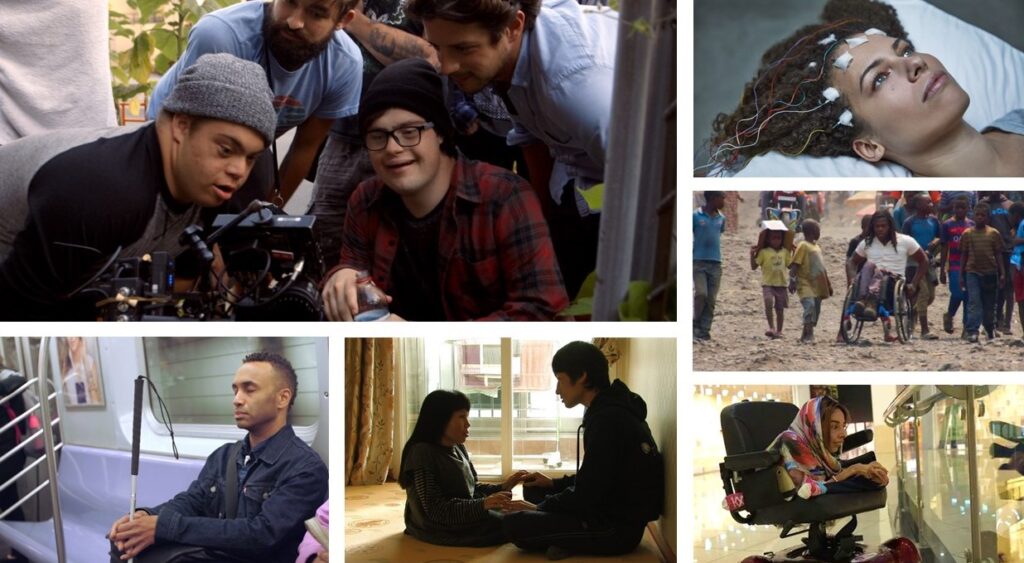
Reducing Disability Stigma through Media Representations
The way disability has been represented in mainstream media significantly contributes to disabled people facing reduced opportunities in housing, employment, healthcare, social participation and civic engagement. In the 2021 MacTaggart lecture Jack Thorne observed that the media industry has failed disabled people by underrepresenting and misrepresenting them.
One cause for underrepresentation and misrepresentation is the chronic lack of disabled people off-screen. There are simply not enough disabled media makers to better reflect the lived experiences of this community. Another cause is the lack of disabled on-screen characters and talent. Although there are improvements in increasing the number of disabled people on-screen, there is still a lack of knowledge how to represent disabled people and issues relating to disability in a non-stigmatising way.
So, the questions are: How can media representations reduce disability stigma? How can films, TV drama, news, reality TV, advertisements and other popular media portray disabled people in ways that improve social attitudes? How can media practitioners deliberately use narrative and audio-visual strategies to achieve this? This website unpacks the nature of stigmatising disability stereotypes and suggests strategies for media makers to reduce stigma on screen. It can all be found in the above menu sections STIGMA and REDUCING STIGMA.
This website is based on theories and models developed in the book Documentary and Stereotypes – Reducing Stigma through Factual Media by Catalin Brylla.